
Ashtown to Castleknock: The Perfect Afternoon Route
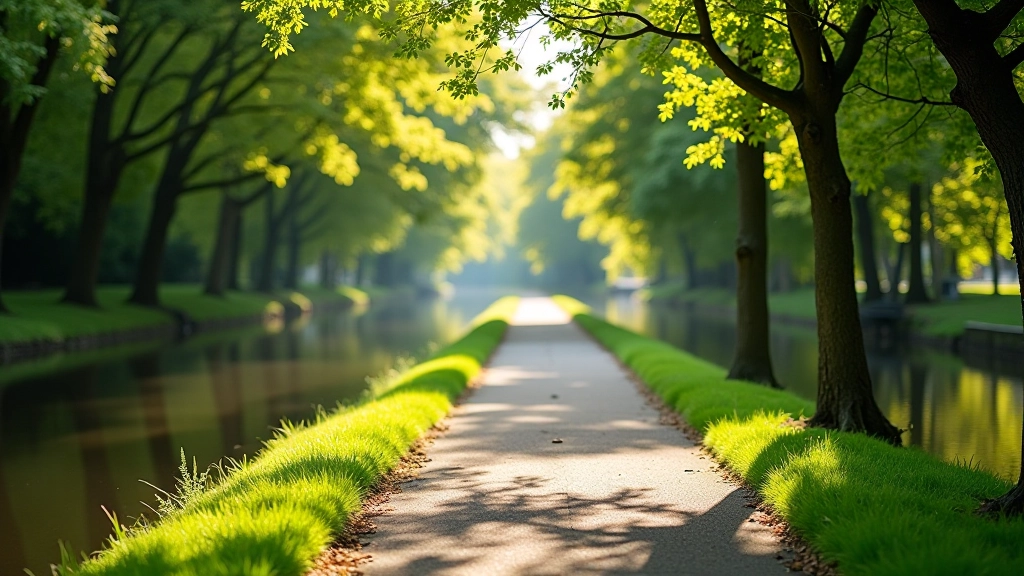

Five kilometres of gentle towpath. That's all you need for a perfect afternoon along Dublin's Royal Canal. We're talking tree-lined stretches, lock keeper cottages tucked into the landscape, and spots to sit down whenever you fancy a rest.
The route from Ashtown to Castleknock isn't a race. It's the kind of walk where you notice things — the way light hits the water in late afternoon, how the canal narrows as you approach each lock, the mix of locals and visitors using the towpath at different times of day. Most people complete it in about 90 minutes at a comfortable pace, though there's no schedule here.
Quick Facts
- Distance: 5 km one way
- Duration: 90 minutes average
- Terrain: Flat, paved towpath
- Starting point: Ashtown Bridge
- Ending point: Castleknock Lock
Getting Started: What to Expect on the Towpath
Starting at Ashtown Bridge gives you immediate access to well-maintained towpath. The first stretch opens up with green spaces on both sides. You'll notice the canal here is wider, giving you clear sightlines as you walk. The path is paved throughout — no rough gravel or muddy sections to worry about.
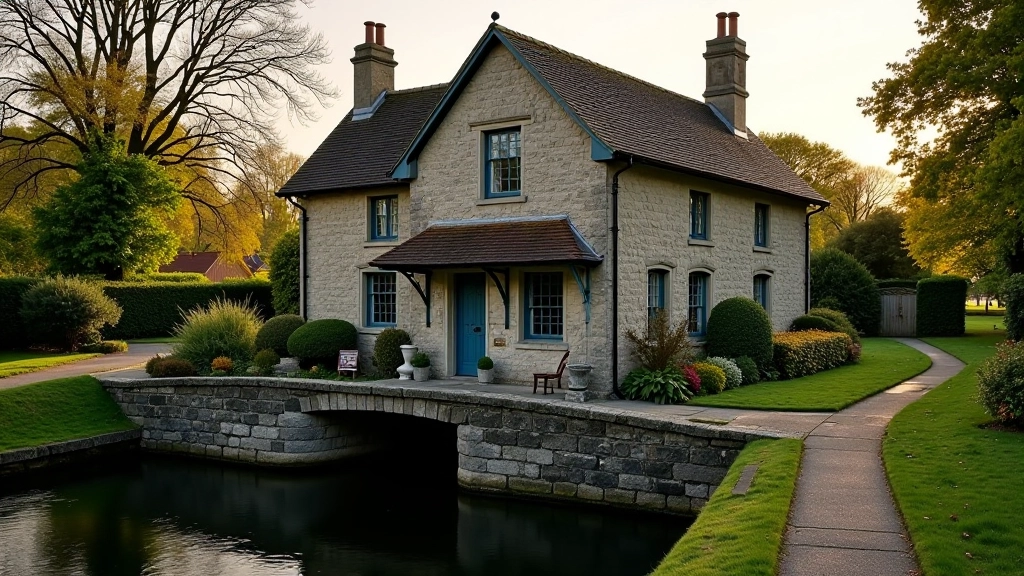
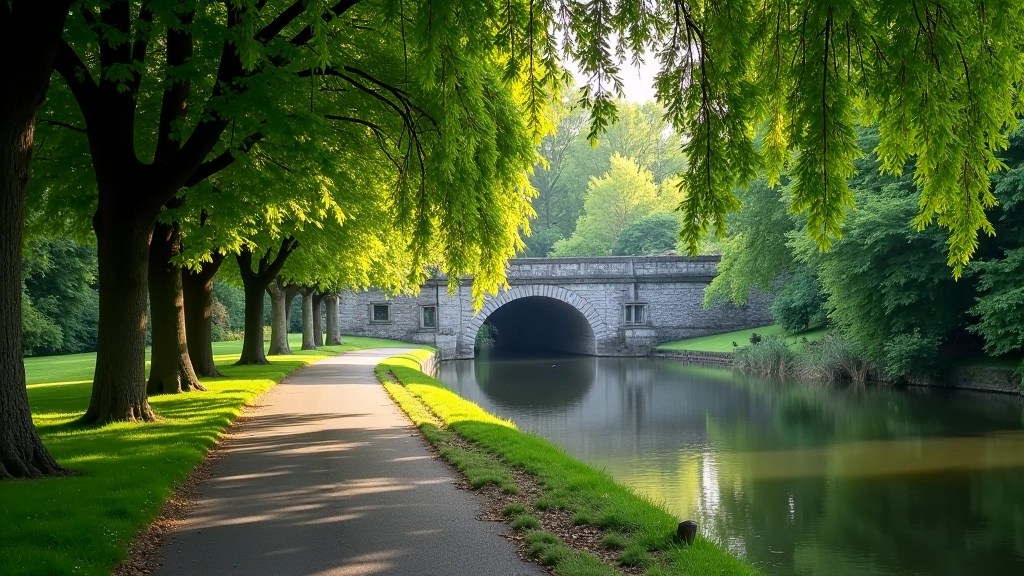
Within the first 20 minutes, you'll pass under a few bridges and encounter your first lock. This is where things get interesting. Lock keeper cottages appear along this section, and you'll see how the canal narrows on approach. The buildings aren't all accessible to the public, but you can see them clearly from the towpath. The architecture tells stories — some cottages date back to the 1800s, built specifically for the people who managed lock operations.
The path stays relatively quiet outside peak hours. Early afternoons, especially midweek, you'll likely have stretches to yourself. Don't be surprised if you see anglers stationed at certain points — they're patient people who know the canal well.

Rest Spots and Timing Your Route
You'll find benches at regular intervals along the entire route. Some are positioned directly overlooking the water, others are tucked into tree cover. If you're not sure where they are, don't worry — you won't walk more than 10 minutes without finding somewhere to sit down. That's by design. The canal trust understands that people walking here aren't training for marathons.
The best time to visit depends on what you want from the walk. Early morning, before 10 a.m., is quietest. You'll see the canal at its most peaceful, with mist sometimes lingering over the water in cooler months. Midday brings a different energy — more families, more people using the path as part of their routine. Late afternoon, from 3 p.m. onwards, offers the best light for photography and the most comfortable temperature if you're walking in warmer months.
Weather matters here. The towpath is accessible year-round, but after heavy rain, certain sections can have puddles. Winter walks are entirely doable — just slower. Summer afternoons can get warm, so consider starting earlier if you're walking during June, July, or August.
Explore More Canal Walks

The Middle Section: Locks and Landmarks
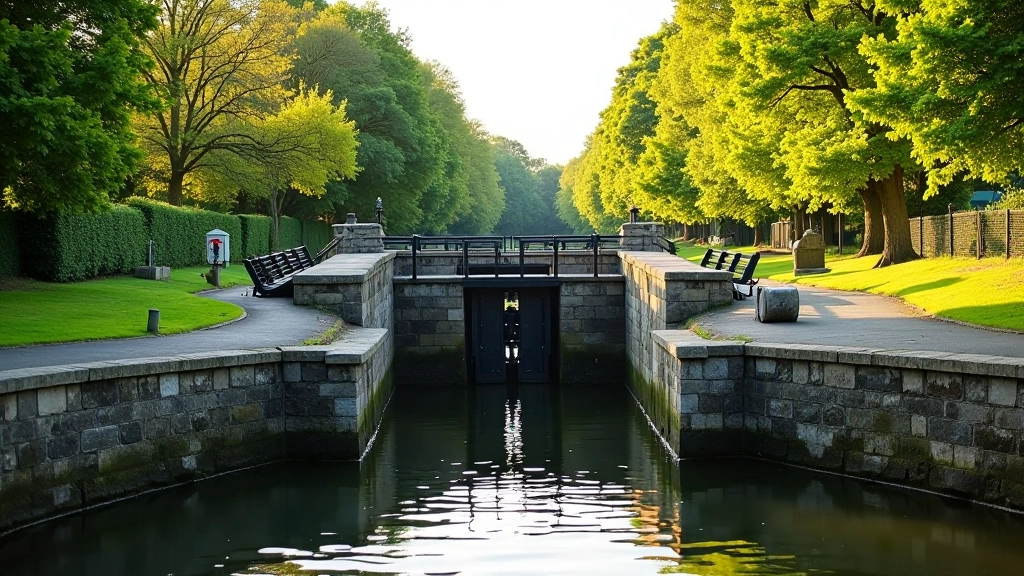
Between Ashtown and Castleknock, you'll encounter three locks. Each one marks a change in the canal's level. You don't need to understand the mechanics — just knowing they exist helps you appreciate the engineering that keeps the water flowing. The locks are active, so you might see water levels changing or occasionally someone operating the gates.
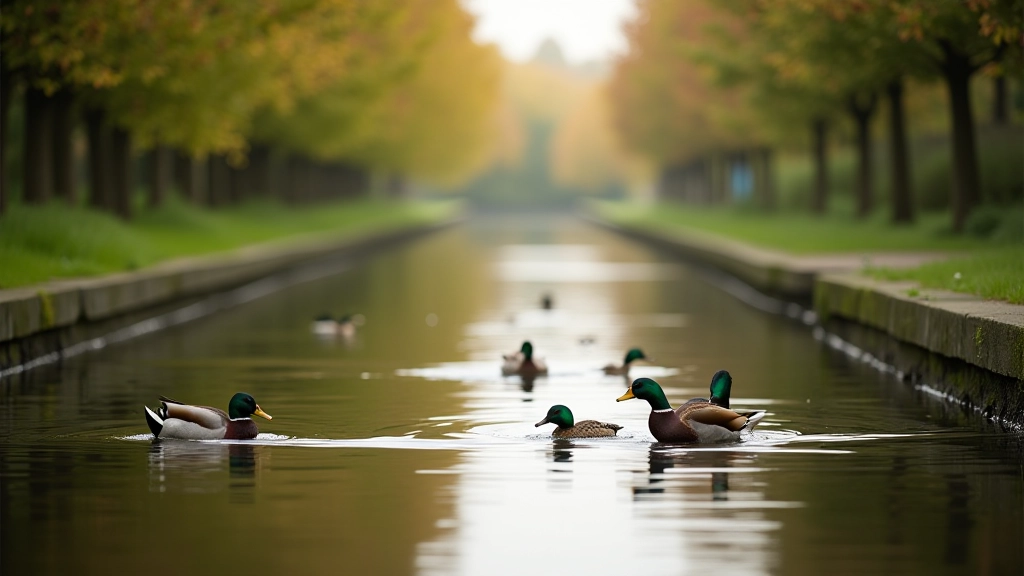
Around the 3-kilometre mark, the landscape shifts slightly. Tree cover increases, making this section feel more enclosed and intimate. It's here that most people take their main rest break. There's usually good bench seating, and the shade is welcome if you're walking during warm weather. This is also where you'll start noticing subtle changes in the wildlife — different bird species, water plants, the general feel of the canal.
The path remains consistent throughout — always paved, always clear, never steep. You're not fighting against the landscape here. The whole experience is designed around comfort and accessibility.
Before You Go
This article provides informational guidance for canal walking. Weather conditions can change rapidly in Dublin, and towpath conditions vary seasonally. We recommend checking local weather forecasts and canal trust updates before your walk. While the route is generally accessible, individual fitness levels vary — please walk at your own pace and stop whenever you need rest. If you have specific health concerns or mobility questions, consult with your healthcare provider before undertaking longer walks.
Arriving at Castleknock: What's Next
You'll know you're approaching Castleknock when the final lock comes into view. The towpath opens slightly, and the canal widens again. This is the natural endpoint. From here, you've got options. Many people simply turn around and retrace their steps — the return journey often feels different, with the afternoon light changing the way you see everything. Others catch a bus back to their starting point. Check local transport options before you head out.
The walk from Ashtown to Castleknock isn't about achieving something. It's about spending time on one of Dublin's best-preserved green corridors. You'll return with sore feet in a good way, a clearer head, and probably plans for your next visit. The canal invites you back — different seasons bring different views, and there's always something new to notice if you're paying attention.
Bring water. Wear comfortable shoes. Take your time. That's really all the advice you need.