
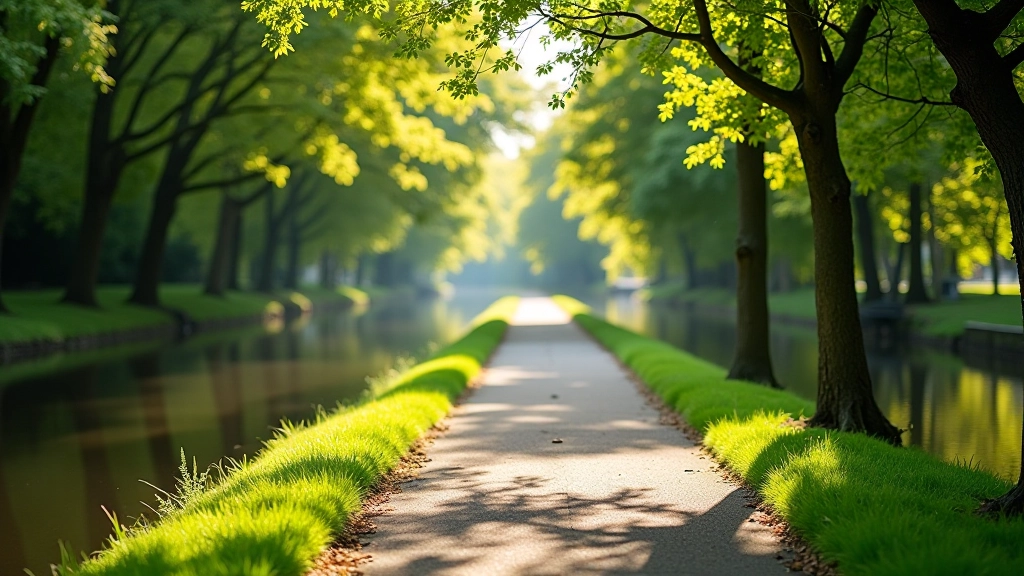
History of Lock Keeper Cottages on the Royal Canal
Discover the heritage and stories behind Dublin's charming waterside cottages that once housed the guardians of the Royal Canal
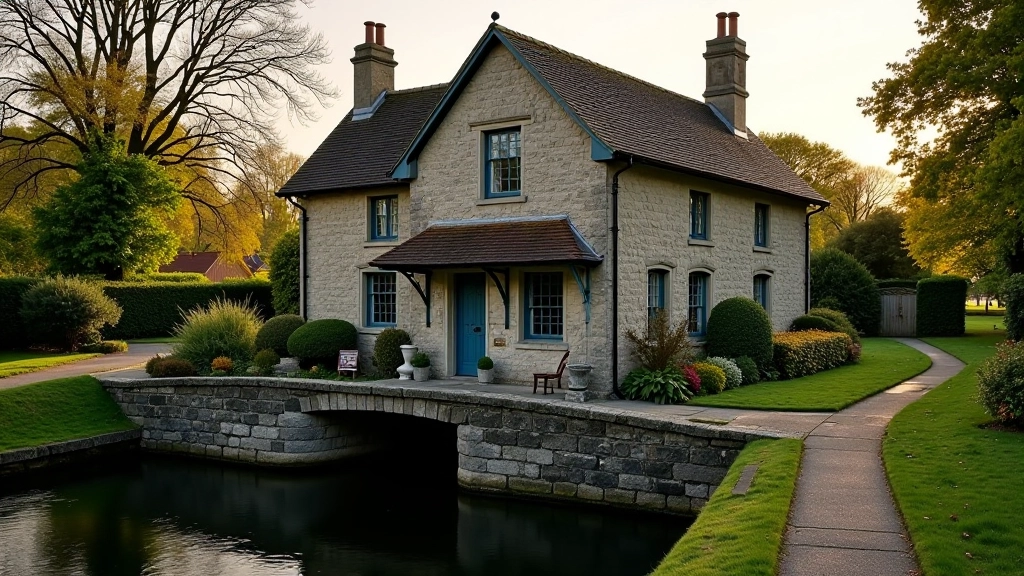

Why These Cottages Matter
Walking the Royal Canal today, you'll notice charming stone cottages dotted along the towpath. They're not just pretty buildings — they're windows into Dublin's industrial heritage. Each cottage tells a story of the lock keepers who lived there, maintained the canal's locks, and became part of the fabric of their communities.
These cottages were built between 1793 and the 1820s when the canal was being developed. They weren't luxury homes. They were practical dwellings built for people with an essential job. But there's something remarkable about how they've endured, and what they reveal about daily life during Dublin's canal boom.
The Keepers and Their Role
Lock keepers weren't just caretakers. They were crucial to canal operations. Their job was to maintain the locks — the mechanisms that controlled water flow and allowed boats to navigate between different water levels. Every day brought real responsibility.
A lock keeper's working day started before dawn. They'd check water levels, ensure the lock gates moved smoothly, and help boats pass through. In summer, when traffic was heaviest, they might help dozens of boats daily. In winter, they had to prevent the locks from freezing and breaking.
What's striking is that most lock keepers lived right beside their locks — hence the cottages. Living on-site meant they could respond quickly to problems. It also meant the job never truly stopped. There's a practical wisdom in that design. You don't build cottages next to something unless you understand the work never ends.
Design and Daily Life
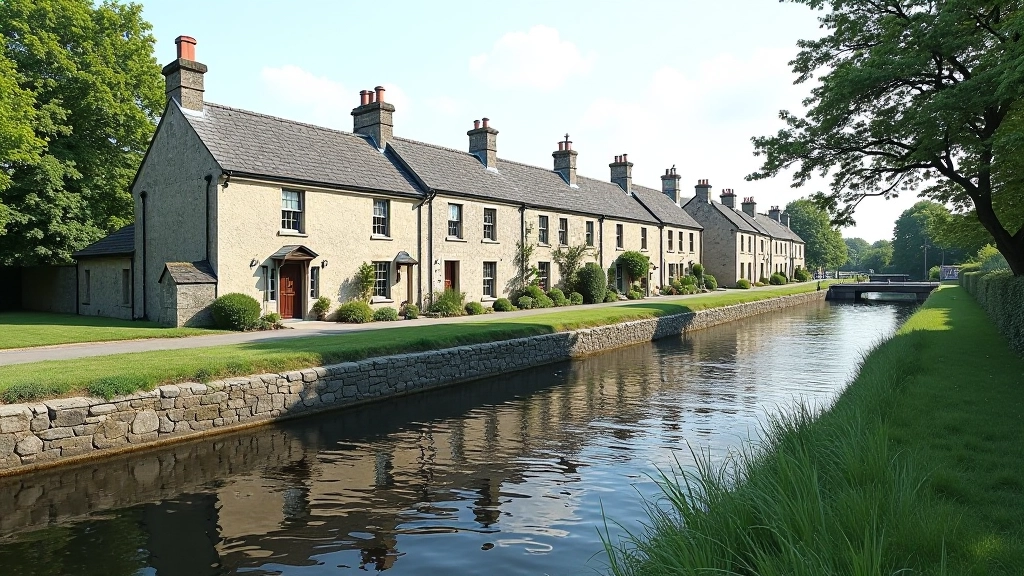
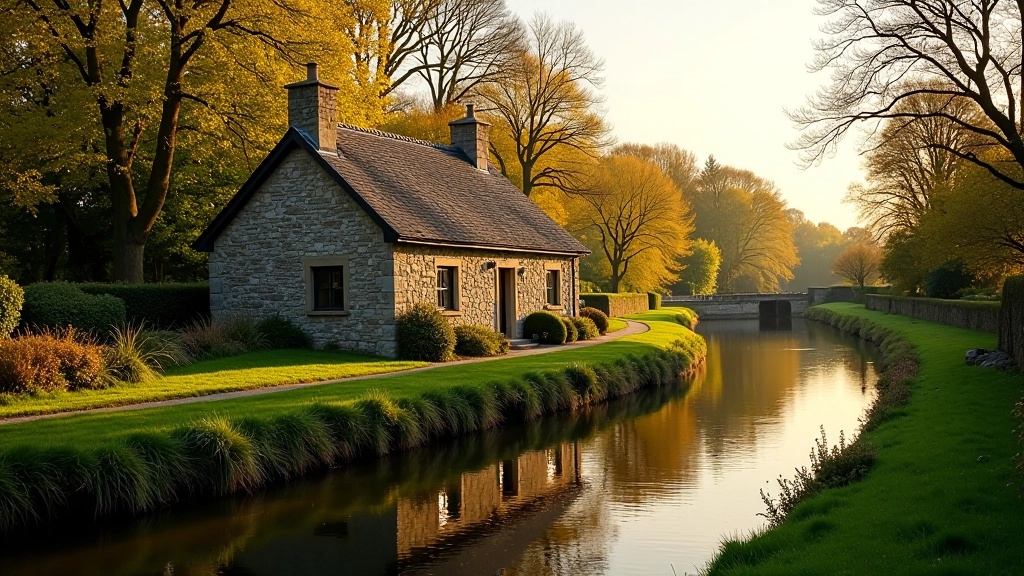
The cottages themselves were modest but thoughtfully designed. Most were single-story or one-and-a-half-story structures with thick stone walls. Stone was chosen for durability — you need buildings that'll withstand decades of moisture, temperature changes, and the general wear of living beside water.
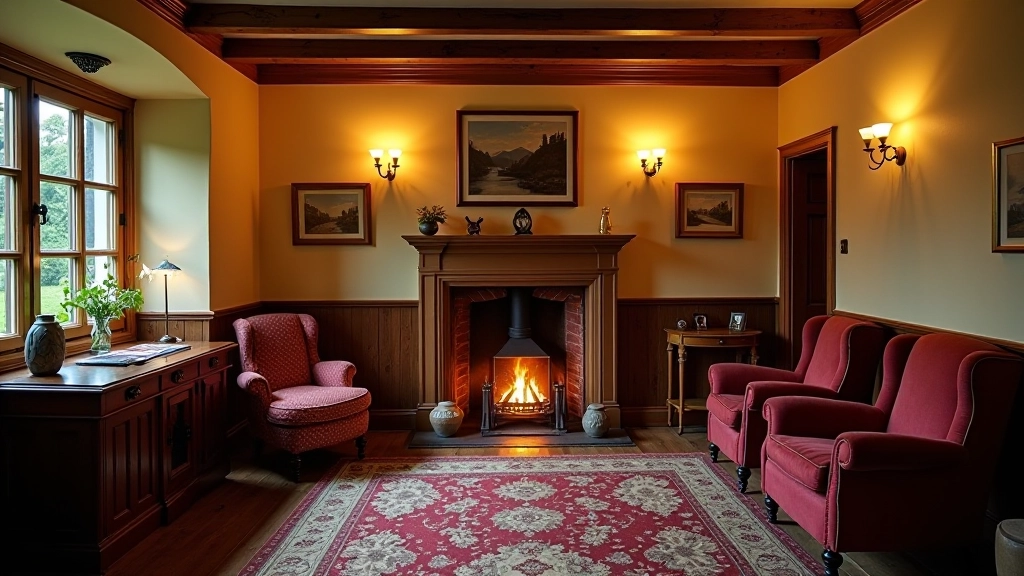
A typical cottage had a main room that served as kitchen and living space, one or two small bedrooms, and a basic scullery. Families of 4-6 people lived in spaces we'd now consider quite tight. But these weren't poor-quality homes — they were well-constructed, with proper slate roofs, decent fireplaces, and windows positioned to let light in while protecting against damp.
The layout reveals something about how people actually lived. The kitchen was the heart of the home. Bedrooms were small but separate. There's a logic to it that still works today. When you walk past these cottages now, you can almost see the rhythm of daily life — the morning routines, children playing on the towpath, families preparing meals in those kitchens.
Key Facts About Lock Keeper Cottages
- Built between 1793-1820s as the canal infrastructure developed
- Stone construction with slate roofs — built to last centuries
- Most cottages housed families of 4-6 people in 2-3 rooms
- Lock keepers worked 7 days a week, often 12+ hours daily
- Today, several cottages remain as private homes or are heritage sites
- The Ashtown to Castleknock stretch has the most well-preserved examples
Families and Communities
Lock keeper families formed tight communities along the canal. They knew each other well — they had to. When your job is managing water flow and boat traffic, communication between keepers at different locks was essential. Information passed quickly. A problem at one lock affected the entire system.
Children born in these cottages grew up around boats, water, and working people. Many followed their parents into canal work. They learned early that some jobs can't be rushed or delayed. They also learned the value of living close to where you work — something we're rediscovering now.
The cottages weren't isolated. Boat traffic brought visitors, news, and goods. Lock keepers often sold provisions to boat crews. Some families developed small gardens beside their cottages — still visible today if you know where to look. These gardens fed families and provided a bit of respite from the constant demands of lock management.
Explore More Canal Heritage

About This Content
This article presents historical information about lock keeper cottages on the Royal Canal based on heritage records and documented sources. While we've made every effort to ensure accuracy, historical details can sometimes vary between sources. If you're planning to visit specific cottages or access canal-side properties, we recommend checking with local heritage organizations like the Royal Canal Association for the most current information and access guidelines.
Walking routes and canal conditions can change seasonally. Always check current conditions before planning your walk, and consider consulting with local canal guides for the most up-to-date information about heritage sites and accessible routes.
These Cottages Are Still Speaking
The lock keeper cottages along the Royal Canal aren't museum pieces. They're lived-in history. Some remain private homes where families still wake to the sound of water and the rhythm of boats passing. Others have been carefully preserved as heritage sites. All of them deserve to be noticed.
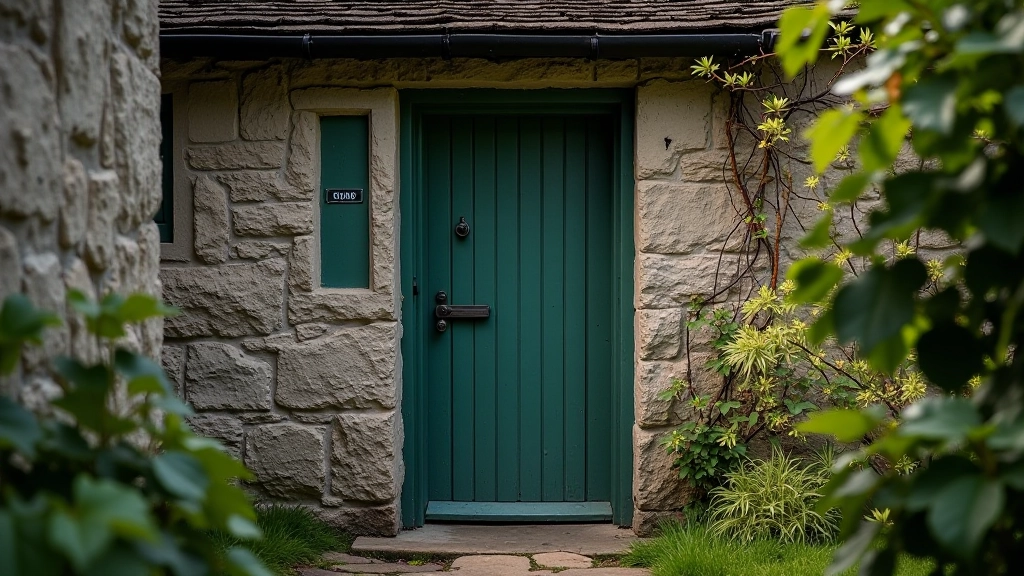
Next time you're walking the towpath from Ashtown to Castleknock, take a moment at each cottage you pass. Look at the stonework, imagine the daily routines that happened behind those doors, consider the people who made the canal work. That's where the real history lives — not in dates and statistics, but in the actual spaces where ordinary people did important work.
The canal wouldn't exist without these keepers. The cottages wouldn't survive without proper maintenance through centuries of weather. And you wouldn't have such a beautiful place to walk without both. That's worth remembering.