
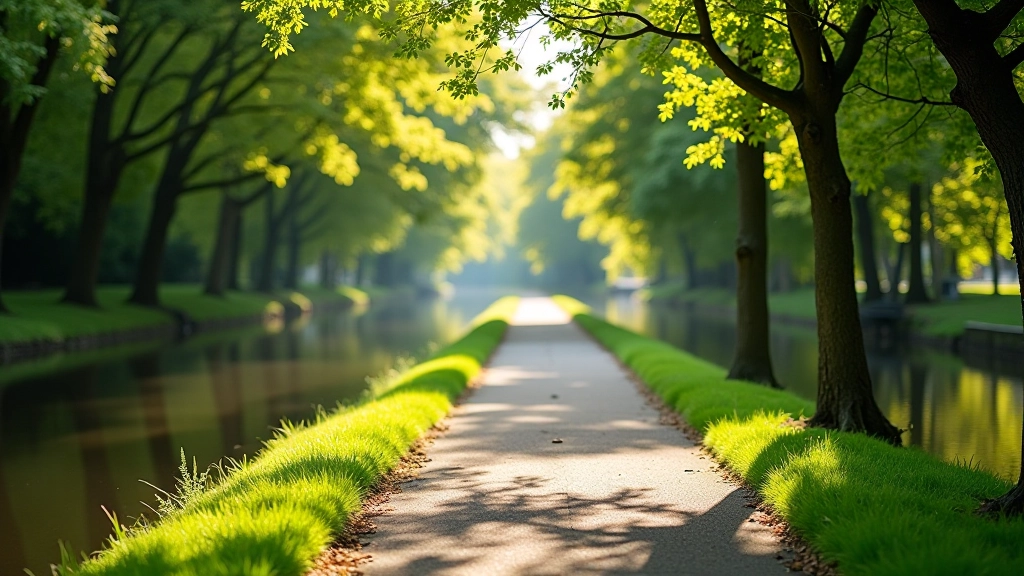
Wildlife & Nature Along the Towpath Year-Round
Discover the birds, plants, and seasonal rhythms that make Dublin's Royal Canal a living, breathing ecosystem
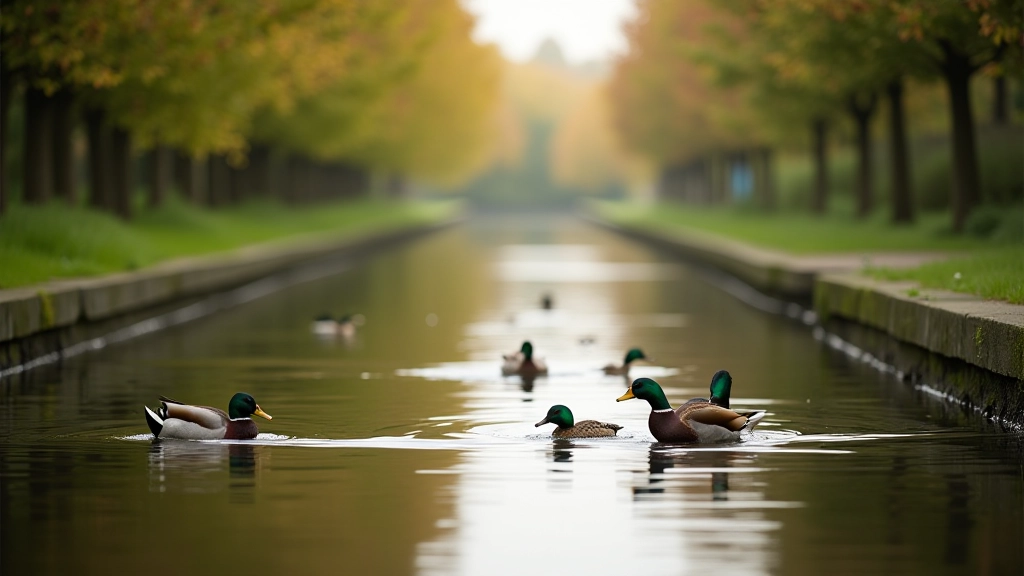

The Towpath as Nature's Corridor
The Royal Canal isn't just a place to walk. It's a living, changing landscape where nature moves with the seasons. We're talking about herons that arrive in spring, dragonflies that hover over the water in summer, and robins that stick around all year. If you've walked the towpath, you've probably noticed things changing month to month. Maybe you didn't know what you were looking at, but you felt it.
That's what makes this guide different. We're not giving you a nature encyclopedia — we're showing you what's actually there, when to see it, and why it matters. Because once you start paying attention, the canal becomes so much more than just exercise. It becomes a reason to get out the door.
Spring: New Life Returns
March through May is when the canal wakes up. You'll notice it immediately — the water level rises, birds start nesting in the hedges, and the whole towpath feels like it's holding its breath. Great crested grebes arrive in March. You can't miss them if you know what to look for — they're bigger than ducks, with dark heads and distinctive ear tufts. They'll be diving for fish near the deeper sections around Castleknock.
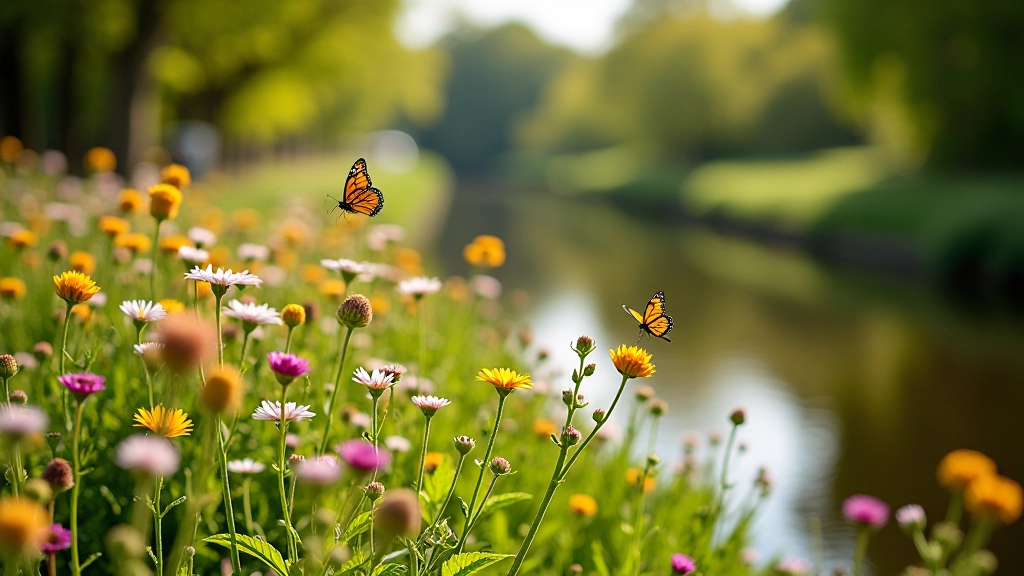
By April, you'll see chiffchaffs and willow warblers — smaller birds, but their song carries across the water. Listen for something that sounds like a creaky wheel. That's usually a chiffchaff. The banks start turning green again, and wildflowers begin pushing through. If you're walking regularly, start noticing what blooms when. Bluebells appear mid-April, usually clustered near Ashtown. They don't last long — maybe three weeks — so if you miss them one year, you've got to watch for them the next.
Summer: Peak Activity & Dragonflies
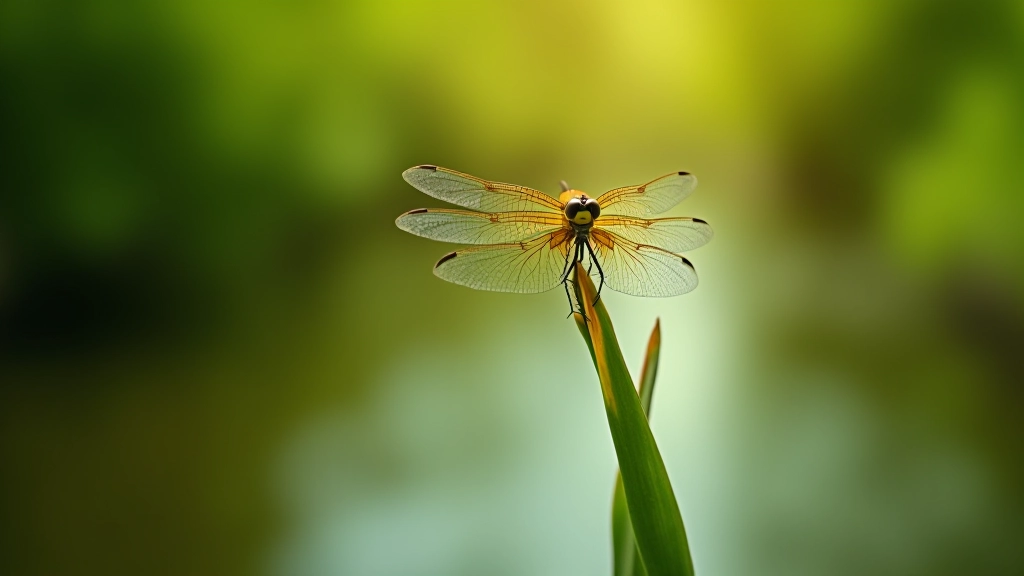
June to August is chaos in the best way. The water's warmer, insects are everywhere, and birds are feeding like they're running out of time. This is when you'll see dragonflies — dozens of them, sometimes hundreds. There are four main species on the canal. The most common ones are the black darter (looks exactly like it sounds) and the four-spotted chaser (guess how many spots). They're hunting midges over the water from dawn until mid-afternoon, so early morning walks give you the best show.
The banks get overgrown in summer, which is actually brilliant for wildlife. It's where birds hide their nests and shelter from the heat. Don't worry about the wild appearance — that's exactly what nature needs. Water lilies bloom in late June, and you'll spot them near the quieter sections. Swallows and swifts arrive to feed on flying insects. You'll hear them before you see them — high-pitched calls as they dart across the water. If you're there at dusk, watch the banks for bats. Pipistrelle bats hunt insects along the towpath most evenings from June onwards.
Autumn: Migration & Change
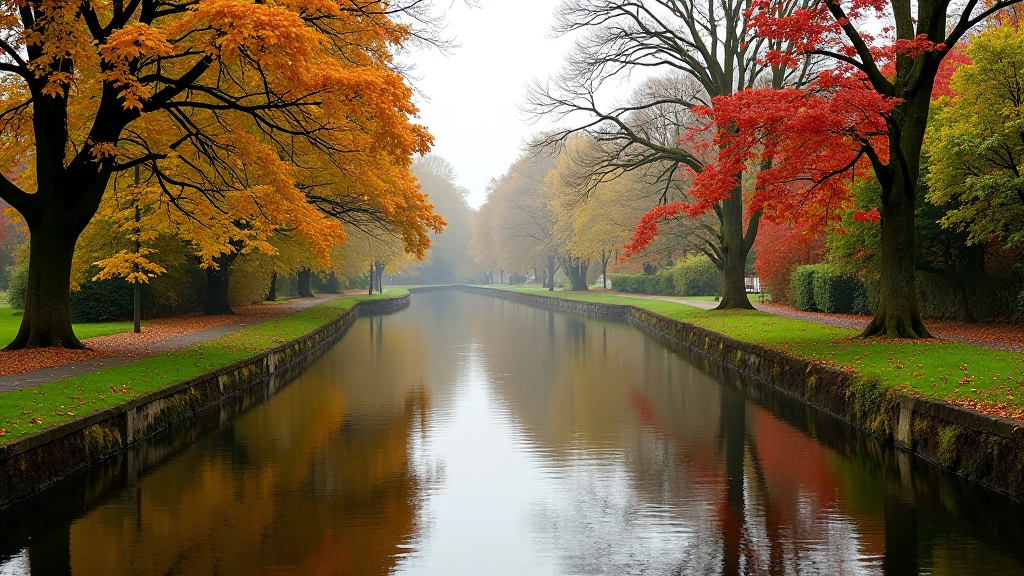
September and October bring migrants. The birds that nested here all summer are leaving, and birds from further north are arriving. It's a brief window — sometimes just a few weeks — where you might spot species you don't see at other times. Look for redstarts (males are grey with orange breasts) and spotted flycatchers. They won't stick around long, but if you're walking regularly, you'll catch them. The leaves start turning in late September, usually starting with the birches. By mid-October, the towpath looks like it's on fire — oranges, reds, and golds reflected in the water.
Water levels drop slightly as rainfall decreases. This sometimes exposes banks where plants have been hiding underwater, which means new foraging opportunities for birds. Robins, which you'll have barely noticed in summer because they're quieter, start singing again. Their song is one of the clearest, most beautiful sounds on the canal — thin and clear, usually from the same perches day after day. By November, most of the summer visitors are gone, and you're left with winter residents preparing for the cold months ahead.
Explore More from This Series

Winter: Quiet Resilience
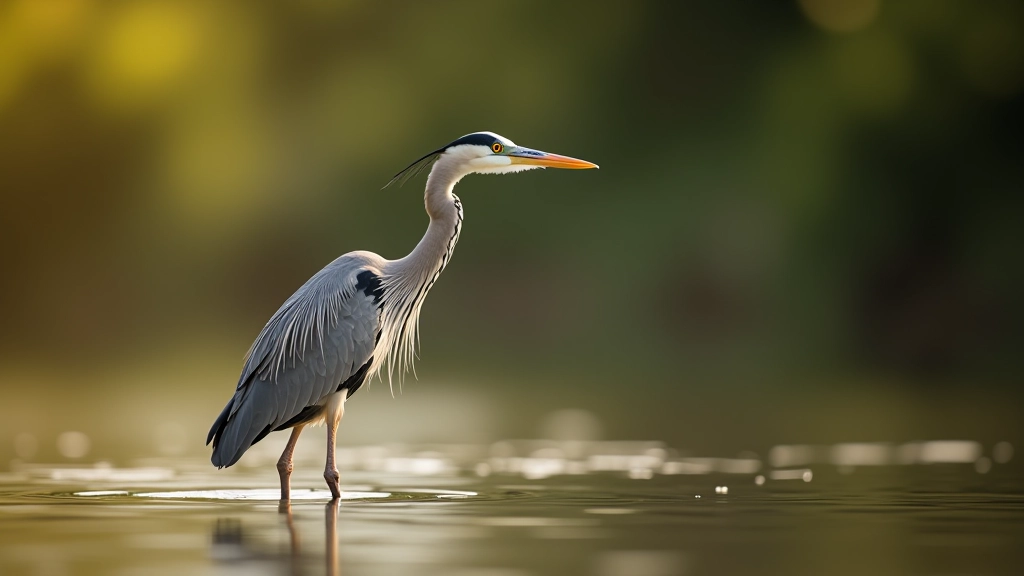
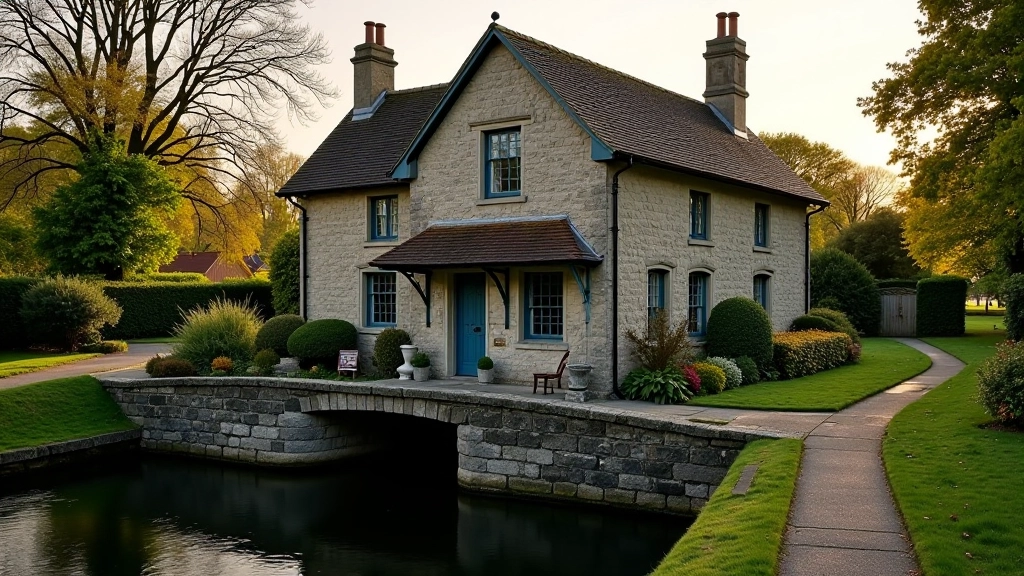
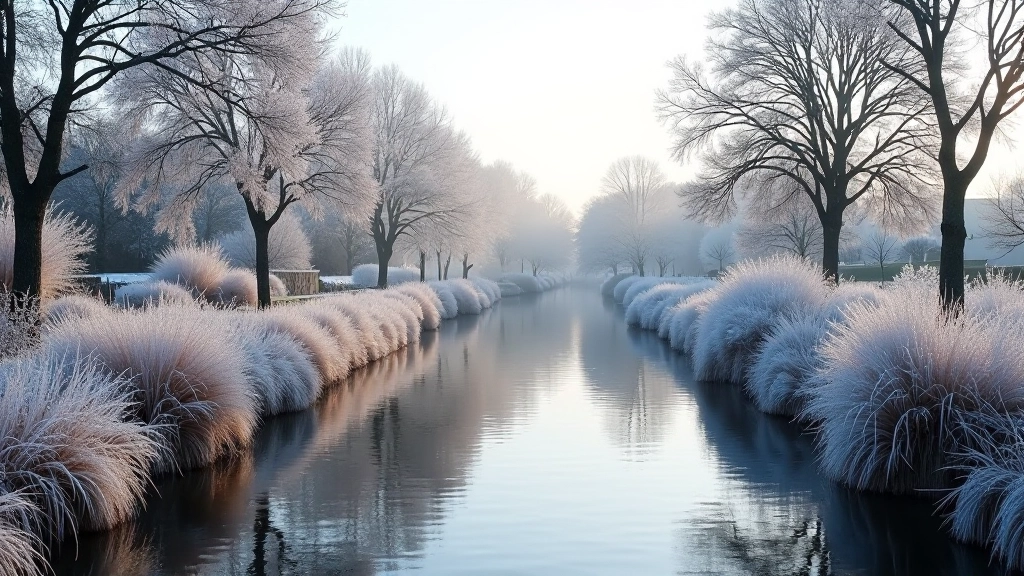
December through February, the canal becomes quieter, but not empty. Most of the summer visitors are gone, leaving behind the year-round residents. You'll see robins, wrens, blackbirds, and mallards. In harsh winters, the mallards get concentrated near any moving water or where people feed them (though feeding isn't ideal — they do better foraging naturally). Grey herons stick around all year too. They're less visible in winter because the vegetation dies back, but they're still hunting in the deeper sections.
What's remarkable about winter is what doesn't change. The canal keeps flowing. Plants are dormant but still alive. Birds are hunting and surviving on their own. If you're walking in January or February, you're not just exercising — you're witnessing genuine resilience. That's the real story of the towpath. It's not dramatic. It's steady, reliable, and full of life if you know where to look.
How to Actually See Wildlife (And Not Scare It)
Move Slowly & Stop Often
Don't march along like you're in a hurry. Walk, stop, look, listen. Birds notice sudden movement immediately. If you're moving at a steady pace with pauses, you'll see more in 30 minutes than if you're walking fast the whole way.
Bring Binoculars (Even Cheap Ones)
You don't need fancy equipment. A pair of 10x42 binoculars from a hardware store costs less than you'd think. They let you identify birds from a distance without disturbing them. You'll see detail you'd miss otherwise.
Early Morning Is Best
Walk before 9 AM if you can. Birds are most active then, visibility is usually clearer, and the towpath is quieter. You'll hear more and see more. Plus, early morning light on the water is beautiful.
Download a Bird ID App
Apps like Merlin Bird ID (free) let you record bird sounds and identify species. Even just knowing what you're looking at makes the experience completely different. You stop seeing "a brown bird" and start seeing "a wren."
Listen More Than You Look
Most birds you'll hear before you see them. Learn a few calls — the robin's song, the chiffchaff's creaky sound, the wood pigeon's "coo-coo-coo." Listening keeps your brain engaged and draws your attention to what's actually there.
Keep Notes (Or Don't)
Some people love keeping a notebook of what they see and when. Others prefer just walking and observing. There's no wrong way. But if you do keep notes, patterns emerge. You'll start predicting what you'll see in different seasons.
A Note on Wildlife Observation
This guide is informational and intended to help you enjoy nature on the Royal Canal. Bird identification can be challenging, and different sources sometimes disagree on exact species names or seasonal timing. Weather, individual bird behavior, and local conditions vary year to year. The information here is based on typical patterns, but nature doesn't always follow the rules. If you want more detailed species information or want to contribute your own observations, organizations like BirdWatch Ireland and the Irish Wildlife Trust maintain detailed records and welcome citizen science participation. Most importantly — enjoy the walks themselves. Even if you can't identify every bird, watching the canal change through seasons is worth the time.
The Real Gift Is Paying Attention
Here's the thing about walking the towpath year-round: you don't have to be a nature expert to appreciate what's there. You just have to pay attention. Once you start noticing when things change — when the herons arrive, when the dragonflies peak, when the winter robins start singing again — the walk becomes something different. It's not just exercise anymore. It's witnessing something real and ongoing.
Start simple. Pick a season, walk the same stretch a few times, and just watch. You'll be surprised what shows up once you're actually looking. And if you walk regularly, you'll build a relationship with the place that goes deeper than any guide can explain. The canal will become familiar in a way that feels personal.